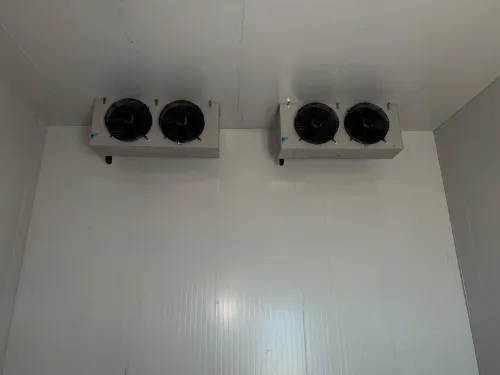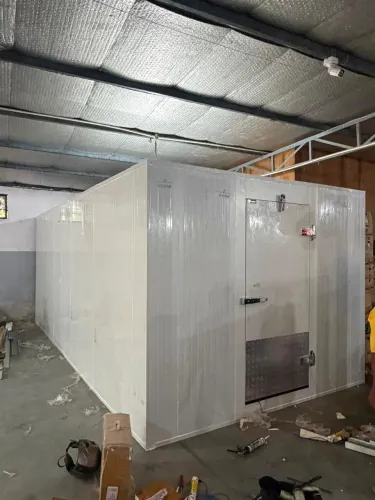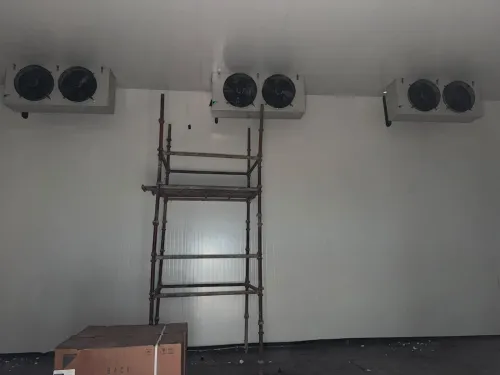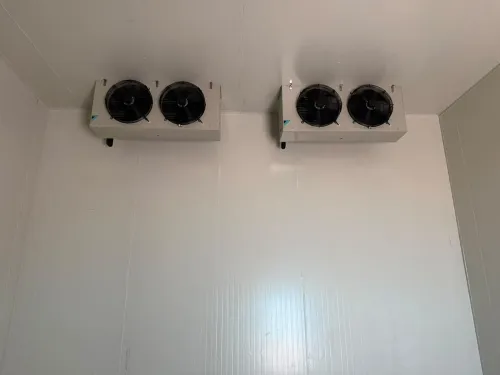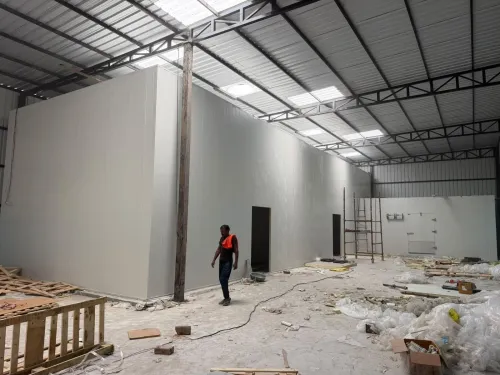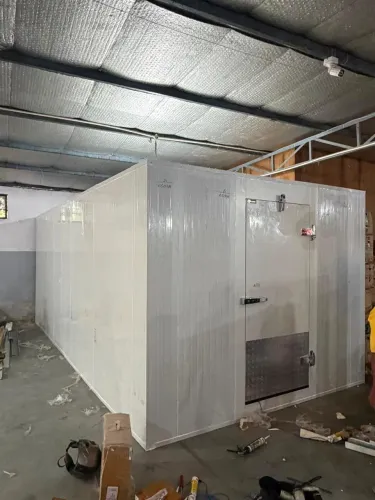
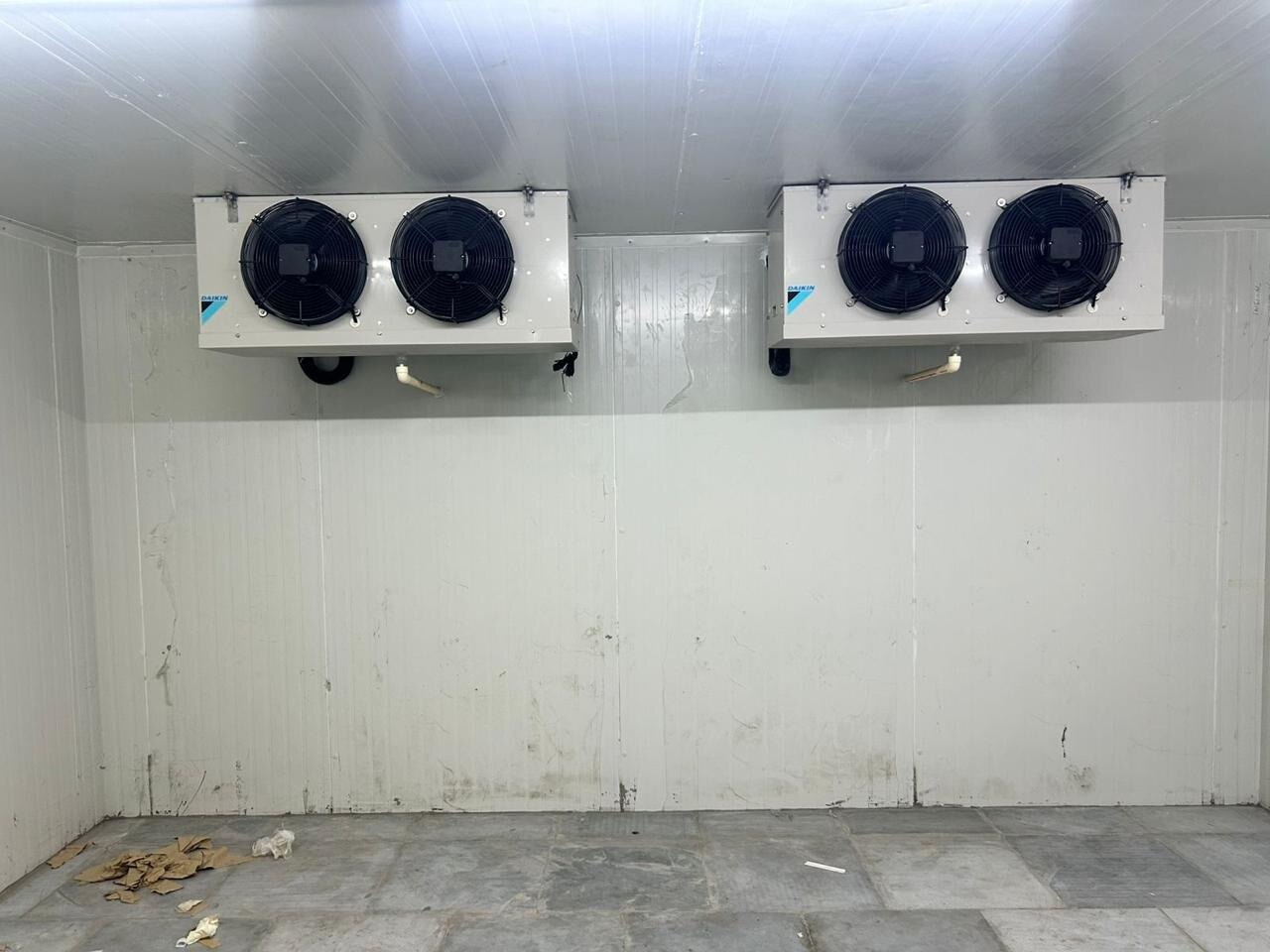
A deep freezer room protects already-frozen stock, but it does not automatically freeze warm food safely or evenly. You will be able to match the room to your products, throughput, floor plan, and handling routine while avoiding temperature, airflow, packaging, and loading mistakes that damage frozen goods.
Key takeaways
- Store frozen food at -18 °C or colder after core freezing.
- Do not use a storage room to freeze warm products.
- Size capacity for stock volume, turnover and pallet handling space.
- Check temperature logs, door seals, alarms and product core temperature.
What a Deep Freezer Room Is and Where Businesses Use It
A deep freezer room is an insulated, low-temperature storage enclosure that holds frozen products at a stable setpoint, commonly -18 °C or colder. It is built for frozen food storage after the product has already reached its required core temperature.
Refrigerated containers provide mobile, transport-linked, or temporary overflow capacity, but they are not a direct substitute for a permanent room.
For a standard cold room comparison, the key difference is temperature: a standard cold room stays above freezing for chilled goods, while a deep freezer room maintains frozen storage conditions. The blast freezer difference is process speed: a blast freezer rapidly removes heat from warm or unfrozen product.
| Option | What it means | Typical use |
|---|---|---|
| Deep freezer room | Permanent, stable low-temperature enclosure | Pallets and bulk frozen stock |
| Walk-in freezer | Broad category of room-sized freezer | Ordinary frozen storage with staff access |
| Blast freezer | Rapid product-freezing equipment | Hot, fresh, or unfrozen goods |
| Chest or upright freezer | Smaller cabinet with limited pallet access | Low-volume stock and separated batches |
Businesses use these rooms for:
- Frozen-food distributors holding palletised inventory
- Ice-cream depots protecting temperature-sensitive products
- Meat processors storing frozen cuts after processing
- Restaurants, cloud kitchens, and caterers managing prepared stock
- Supermarkets holding back-room frozen inventory
- Selected laboratories storing frozen samples, reagents, or specimens within validated temperature limits
Which Temperatures Frozen Foods Need—and What the Room Cannot Do
Commercially quick-frozen food is commonly held at a product core temperature of -18 °C or colder. Use a stricter setting for long storage, frequent door opening, or repeated handling because temperature fluctuation damages quality before spoilage is obvious.
| Product | Planning frozen food storage temperature | Practical note |
|---|---|---|
| Ice cream | -23 °C to -25 °C | Protects texture and quality retention |
| Meat and poultry | -18 °C or colder | Check the product core temperature |
| Seafood | -18 °C or colder | Keep packaging sealed and dry |
| Frozen vegetables | -18 °C or colder | Avoid partial thawing during handling |
| Prepared meals | -18 °C or colder | Confirm the centre is frozen |
| Bakery products | About -18 °C to -20 °C | Use this range when recipe and packaging permit |
These are storage targets, not product-freezing temperatures. Freezing temperature refers to the process that removes heat from unfrozen food until its required core temperature is reached; storage temperature maintains that condition afterward.
A deep freezer room preserves product that has already reached specification. It cannot replace a blast freezer or contact freezer for hot, freshly cooked, or unfrozen goods. Warm loading raises room temperature, lengthens pull-down time, increases compressor workload and frost formation, and can warm existing stock.
Air recovery does not prove that the product core is safe or that quality has been protected. Freezing also inhibits microbial growth; it does not reliably destroy pathogens or correct earlier mishandling.
How to Match Room Capacity to Stock, Throughput, and Handling
Start with stock records, not the room envelope. Calculate holding volume from peak inventory, carton dimensions, stacking height and pallet configuration, then separate static capacity from usable capacity: cartons need clearance for evaporator discharge and return air, while pallets need safe access and rotation space.
1. Calculate peak receipts, daily dispatches and product load. Add incoming stock, outgoing orders and a staging allowance so a busy frozen food distributor storage room does not block airflow with pallets waiting at the door.
2. Map available floor area, ceiling height, rack layout, pallet dimensions and aisle width. Then subtract wall clearances, evaporator space, door swing, staging zones and access routes. This gives usable capacity, not the larger figure suggested by empty room volume.
3. Count door openings by hour, handling time, people, lighting and equipment inside the room. A supermarket or high-throughput distributor needs separate receiving and dispatch capacity; a restaurant, cloud kitchen, caterer or ice-cream depot may gain more from smaller zones and fast access than maximum stacking.
4. Complete the heat-load calculation: panel and floor transmission, product pull-down, door infiltration, people, lighting, evaporator fans, defrost recovery and safety margin. Room volume alone can undersize a busy operation or oversize a lightly used one.
ICETECH ENGINEERS can turn stock records, pallet configuration, traffic patterns and site constraints into freezer room sizing, rather than selecting refrigeration equipment from deep freezer room capacity alone. That distinction protects airflow, usable storage and recovery performance.
Related products
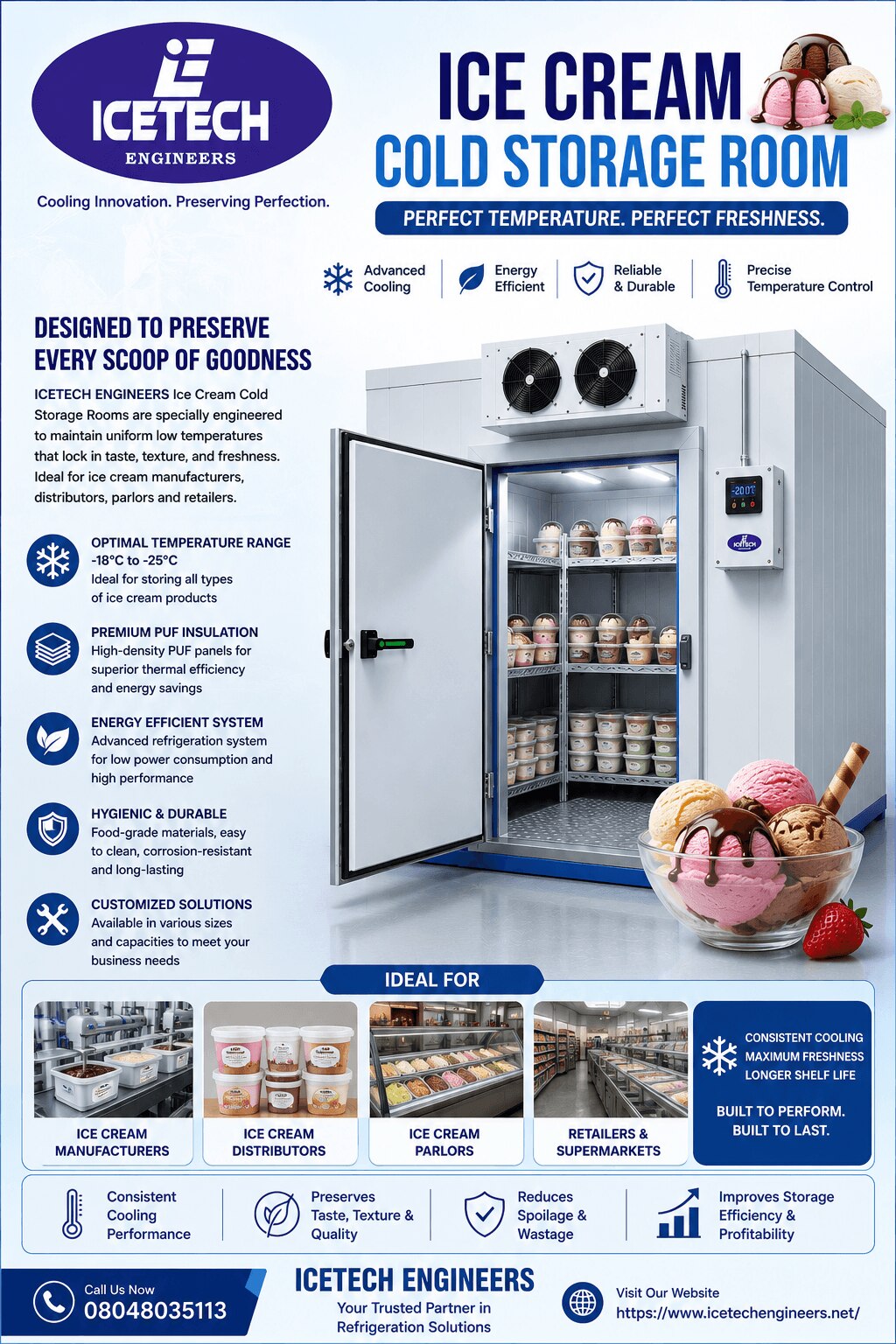 | Ice Cream Cold Storage Room ICETECH ENGINEERS is a trusted manufacturer and supplier of Ice Cream Cold Storage Rooms designed to maintain the ideal freezing temperature for... View product → |
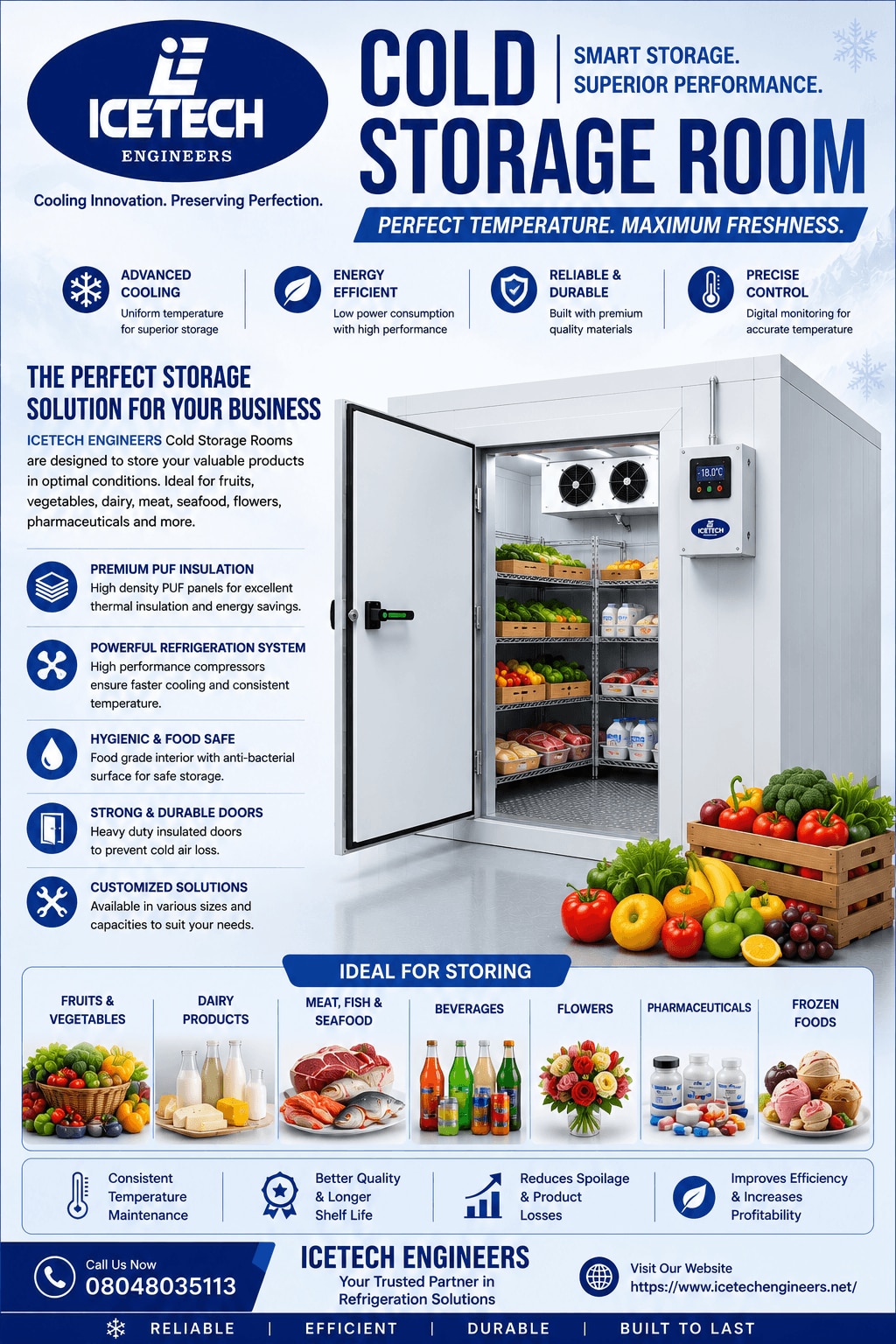 | Cold Storage Room ICETECH ENGINEERS is a leading manufacturer and supplier of high-performance Cold Storage Rooms designed for businesses that require reliable... View product → |
How Design and Daily Operation Protect Product Quality
A setpoint of -18 °C does not prevent temperature fluctuation, freezer burn, dehydration, ice-crystal growth, or damage from repeated thawing and refreezing. Weak packaging and air leakage worsen moisture loss; partial thawing then refreezing enlarges crystals, damages texture, and increases drip loss.
Protect quality through these operating controls:
- Keep freezer room airflow open: leave discharge and return clear around pallets, cartons, walls, and evaporator intakes. Tight stacking creates warm pockets and makes the system run harder.
- Use freezer burn prevention measures: seal cartons and inner packs, reject damaged packaging, keep pallets dry, and avoid loading warm or wet stock.
- Control door infiltration with rapid-closing doors, strip curtains or air locks, heated frames, dry pallets, and disciplined door management. Humid air entering through an open door becomes frost on floors and coils.
- Set the defrost cycle freezer room around actual frost load. Excessive defrost wastes energy and raises product temperature; inadequate defrost blocks the coil, reducing airflow and heat transfer. Use coil-temperature termination, fan delay, clear drains, and verified drain-trap protection.
- Prevent floor frost heave with under-slab heating or a ventilated subfloor. Continue the warm-side vapor barrier across panel joints, penetrations, and floor edges; one gap can let ground moisture freeze beneath the slab.
Check product probes near doors, walls, evaporators, and pallet centres. A low room reading cannot expose a warm pocket or a repeated excursion.
Which Freezer System Fits the Job and How to Verify It
Choose by workload, not equipment name. A blast freezer vs deep freezer room is a choice between rapid freezing and stable holding.
| Option | Best use | Poor fit |
|---|---|---|
| Blast freezer | Rapidly freezing warm or unfrozen product | Long-term holding |
| Walk-in freezer or deep freezer room | Larger-volume frozen stock | Small, rarely accessed inventory |
| Refrigerated container freezer | Temporary, transport-linked, or overflow storage | Permanent, high-throughput storage |
| Chest freezer | Low-volume stock with infrequent access | Frequent picking or pallet handling |
| Modular freezer cabinet | Separated batches or limited floor space | Bulk pallet storage |
A deep freezer room becomes the wrong choice when stock volume is low, access is irregular, safe pallet circulation will not fit, or the process needs rapid freezing rather than holding. Loading warm product can heat existing stock before the room air recovers.
Commission the system under representative load. Verify air at several locations near doors, ceilings, evaporators, and pallet faces, then measure representative product or simulated-product probes.
For freezer room temperature monitoring, use calibrated sensors and record room air, product temperature, door status, refrigeration operation, alarm history, and time-stamped excursions. A single room-air sensor and one high-temperature alarm cannot prove every load stayed within specification. Product core temperature changes slowly, so release decisions need product evidence rather than recovered room air alone.
Frequently asked questions
What is a deep freezer room used for?
It stores frozen food and other temperature-sensitive products at a stable low temperature after they have already reached the required core temperature. Businesses use these rooms in food processing, cold-chain distribution, retail supply and hospitality operations.
What temperature should frozen food storage use?
Frozen food storage is commonly set at -18 °C or colder. Confirm the product specification and applicable food-safety requirements, then monitor the product core temperature rather than relying only on the room display.
Can a deep freezer room freeze warm food?
A deep freezer room is designed for holding already-frozen products. Warm or unfrozen food needs a blast freezer or another rapid-freezing system before it enters long-term frozen storage.
How should you size a deep freezer room?
Base the design on maximum stock volume, pallet or rack dimensions, required aisles, air circulation clearances, daily throughput, loading frequency and handling equipment. Include space for safe access rather than filling the room to its walls.
Related products
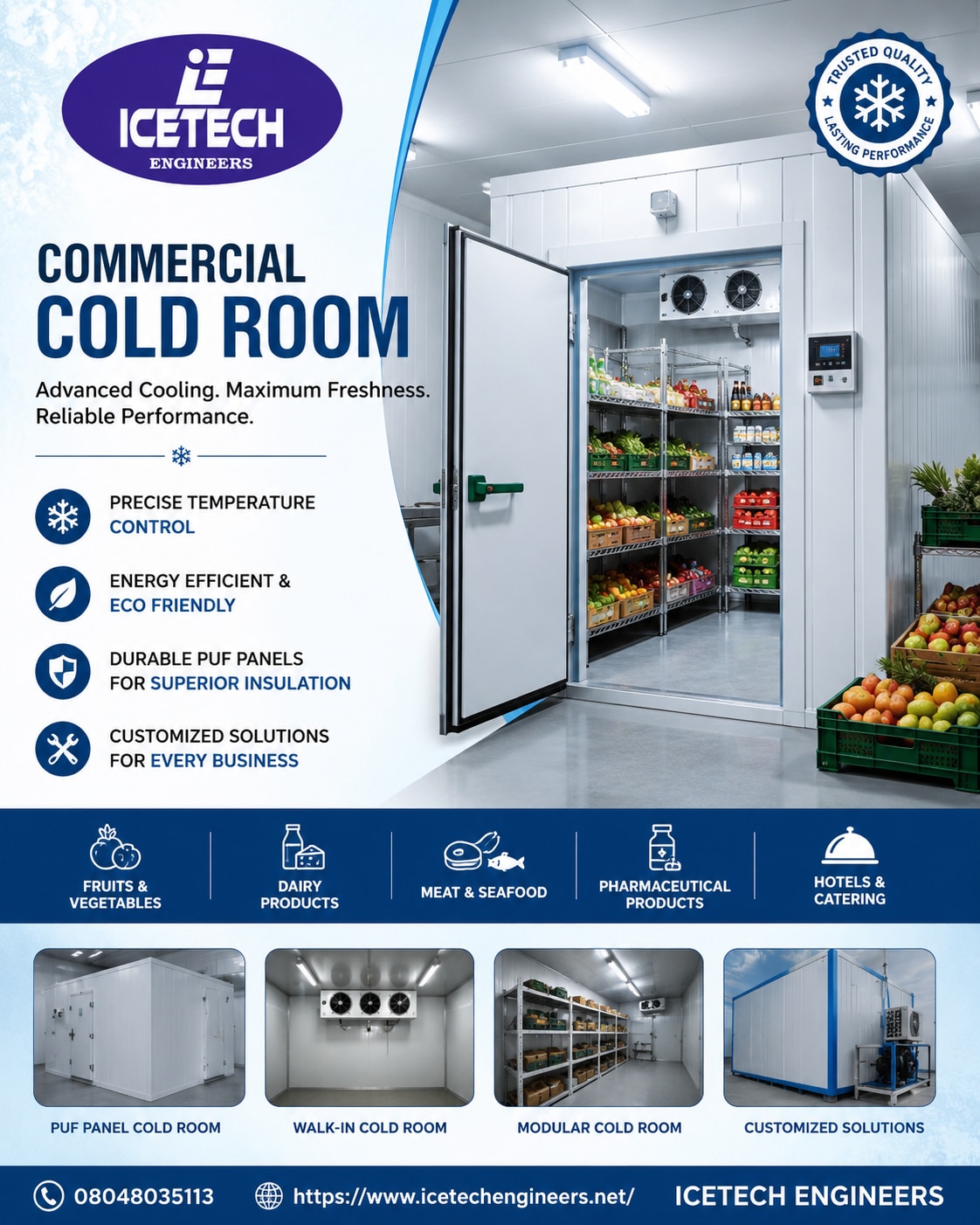 | Commercial Cold Room ICETECH ENGINEERS is a trusted name in designing and manufacturing high-performance Commercial Cold Rooms for businesses that require precise... View product → |
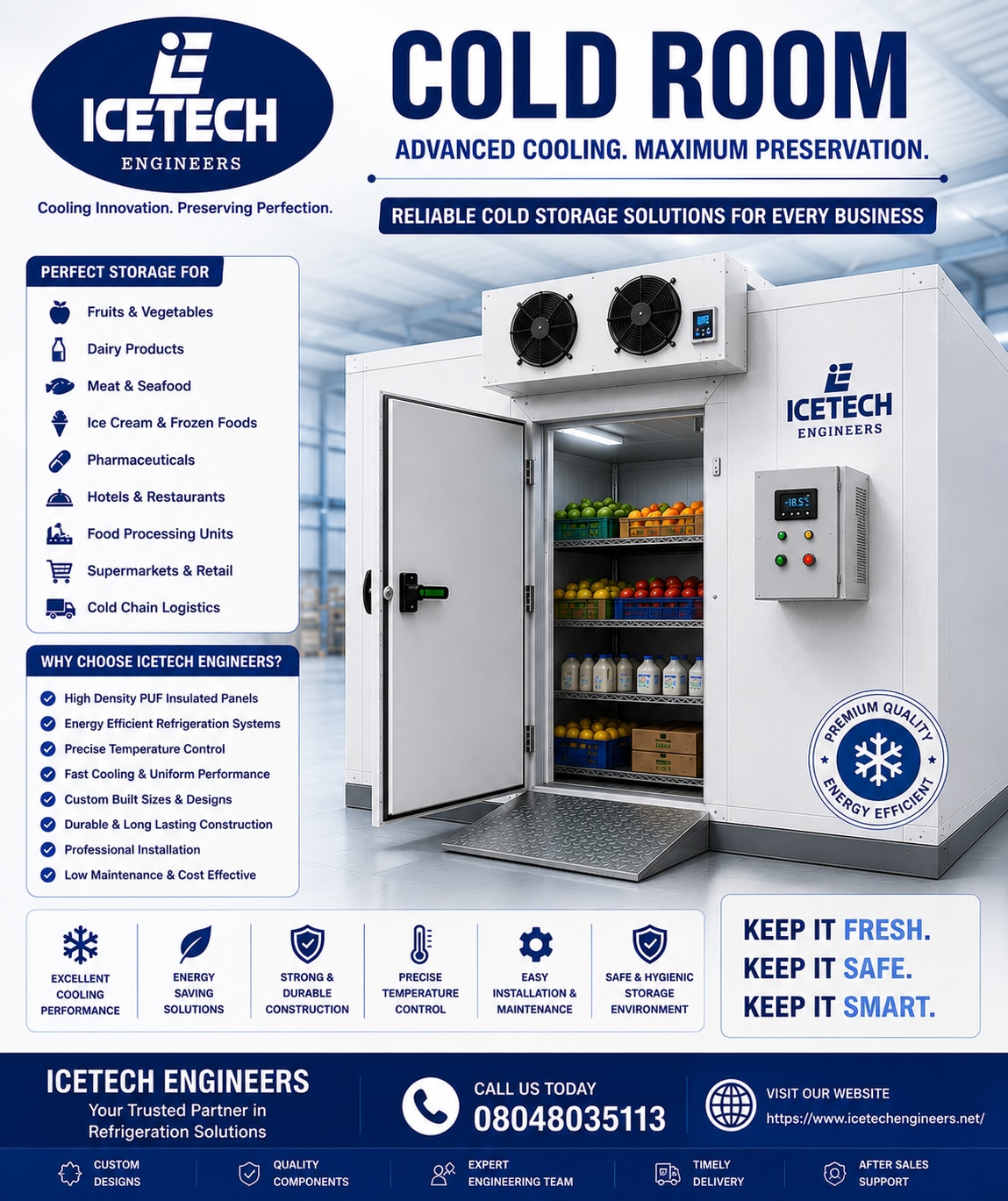 | Cold Room ICETECH ENGINEERS is a leading Cold Room Manufacturer, Supplier, and Installation Company in India, offering high-performance cold room solutions for... View product → |
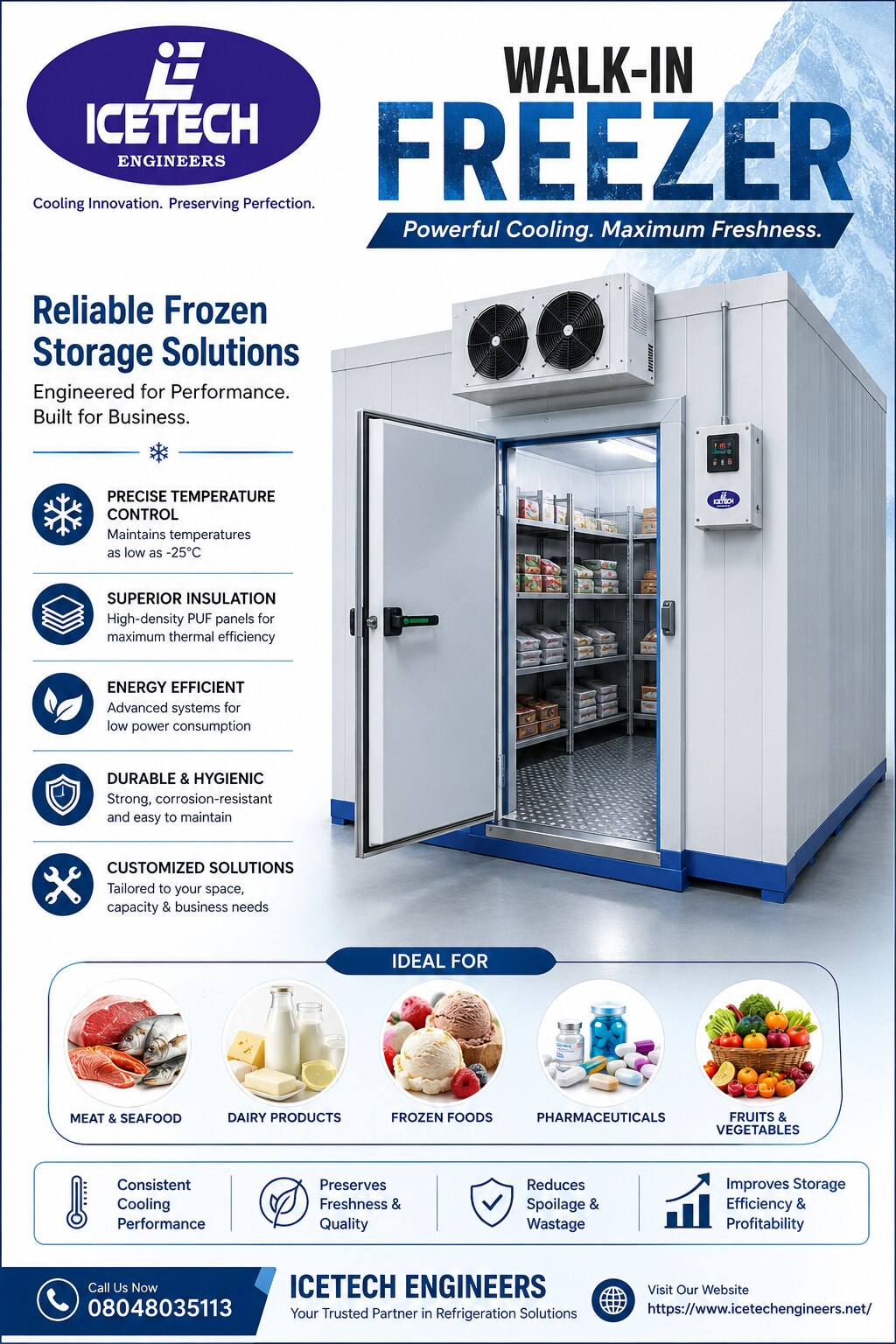 | Walk-In Freezer ICETECH ENGINEERS is a leading manufacturer and supplier of Walk-In Freezers designed to provide reliable, energy-efficient, and hygienic frozen... View product → |
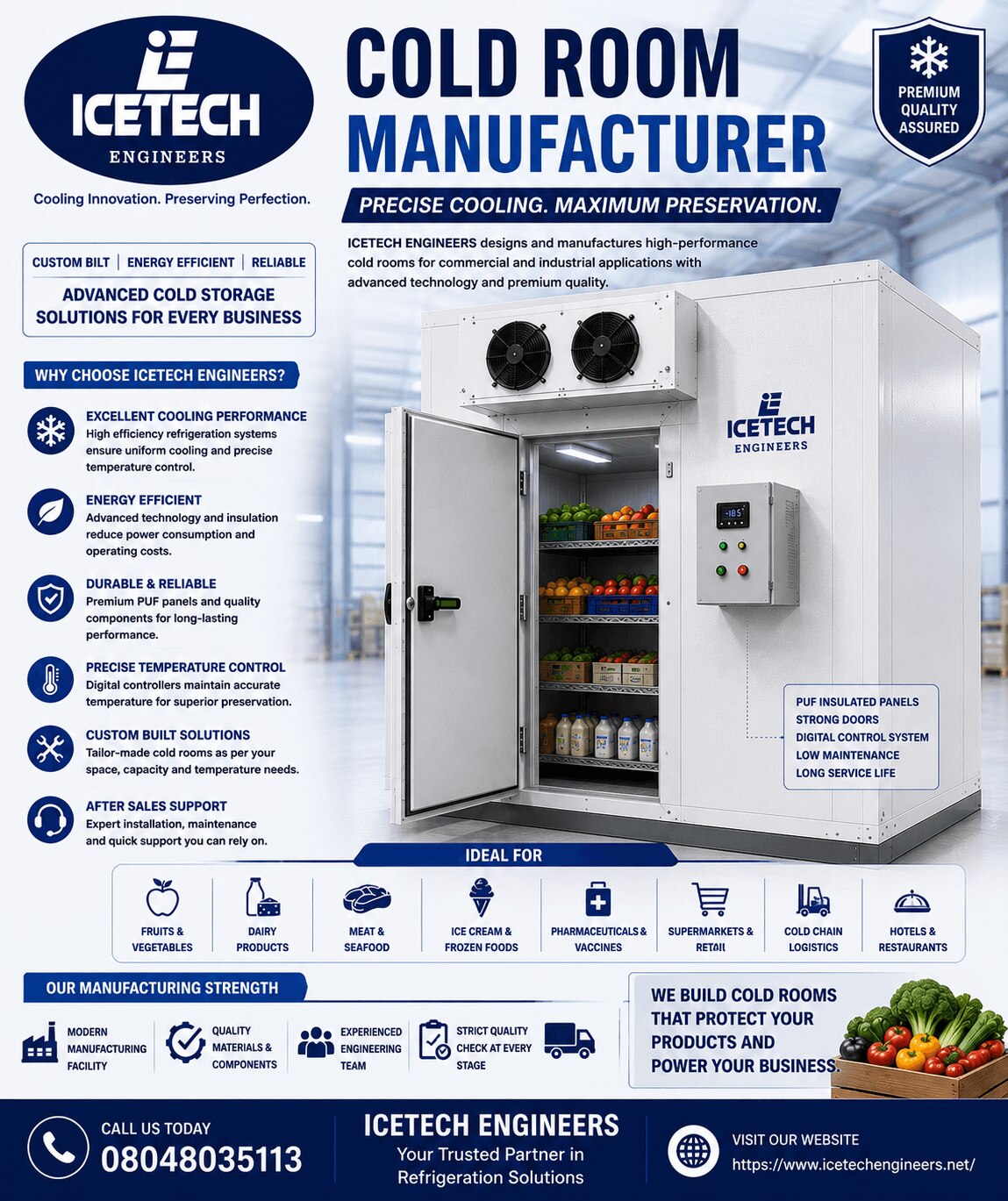 | Cold Room Manufacturer ICETECH ENGINEERS is a leading Cold Room Manufacturer in India, specializing in the design, manufacturing, supply, and installation of... View product → |