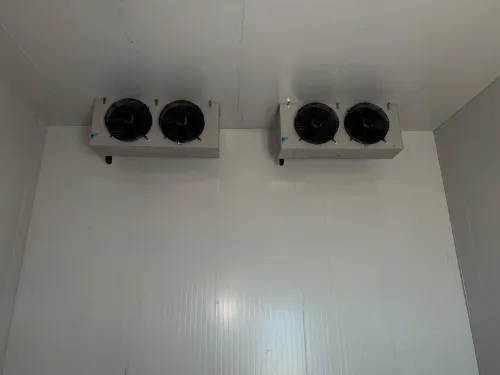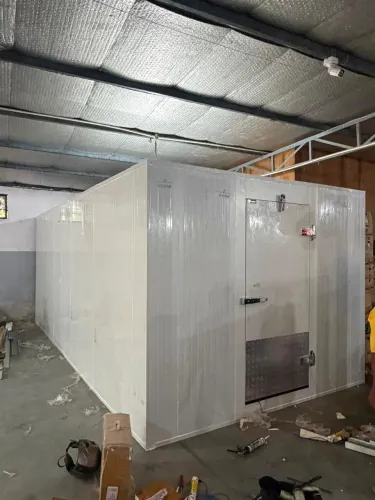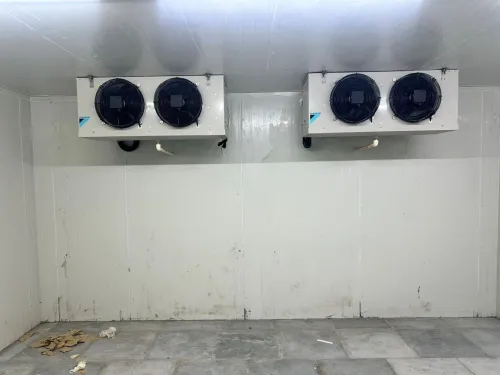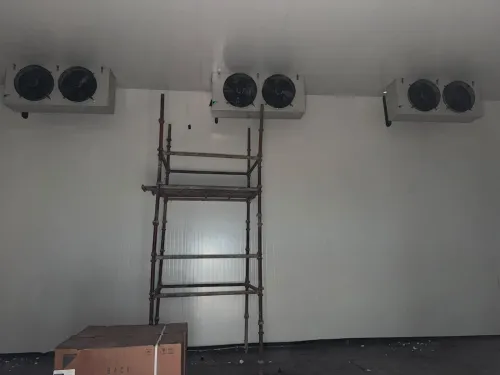
Cold room projects involve multiple technical elements that need to function as one system. Insulated panels, refrigeration equipment, electrical controls, doors, piping, monitoring, installation, and commissioning all influence final performance. Working with a Cold Room Solution Provider can help businesses coordinate these elements within a clearly defined project scope.
For Delhi businesses preparing a new cold storage facility, evaluating the provider's project approach can be as important as comparing individual equipment brands.
Begin With Operational Requirements
The planning process should establish exactly what the facility needs to achieve.
A provider should understand:
- Products being stored
- Required temperature
- Maximum storage quantity
- Incoming product conditions
- Loading frequency
- Storage duration
- Operating hours
- Available installation area
- Expected future demand
These inputs help establish room dimensions and refrigeration capacity.
Site Planning Comes Next
Physical site conditions can affect many aspects of the project.
The provider may need to assess room dimensions, ceiling height, access, panel installation space, refrigeration equipment location, electrical availability, piping routes, drainage, and ventilation.
Identifying constraints early can reduce changes during installation.
Refrigeration Design Should Be Explained
Businesses do not need to become refrigeration engineers, but they should understand the basis of the proposed system.
The provider should be able to explain why particular equipment capacities, panel specifications, and room configurations have been recommended.
This transparency helps customers evaluate whether the proposal reflects their operating conditions.
Project Scope Should Be Clearly Defined
Before approving a project, determine exactly what is included.
Depending on the installation, the scope may cover:
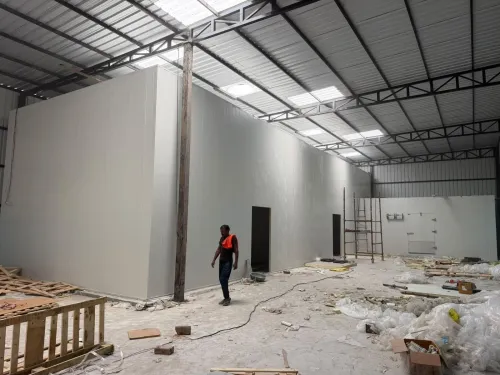
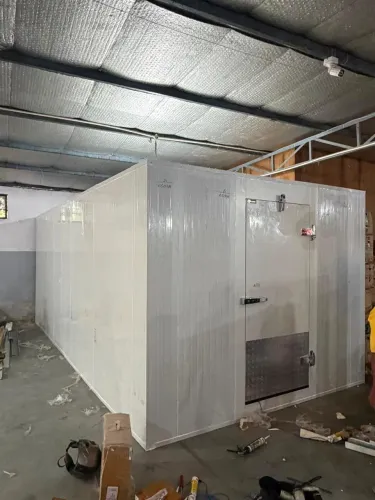
- Insulated enclosure
- Cold room door
- Refrigeration equipment
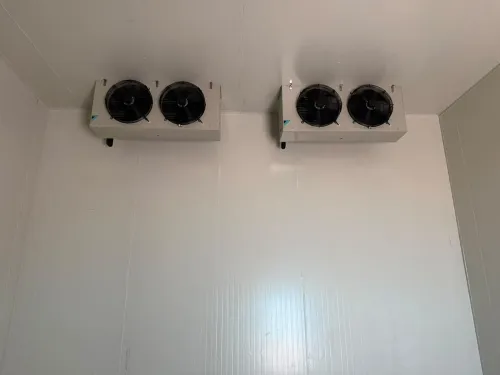
- Evaporator
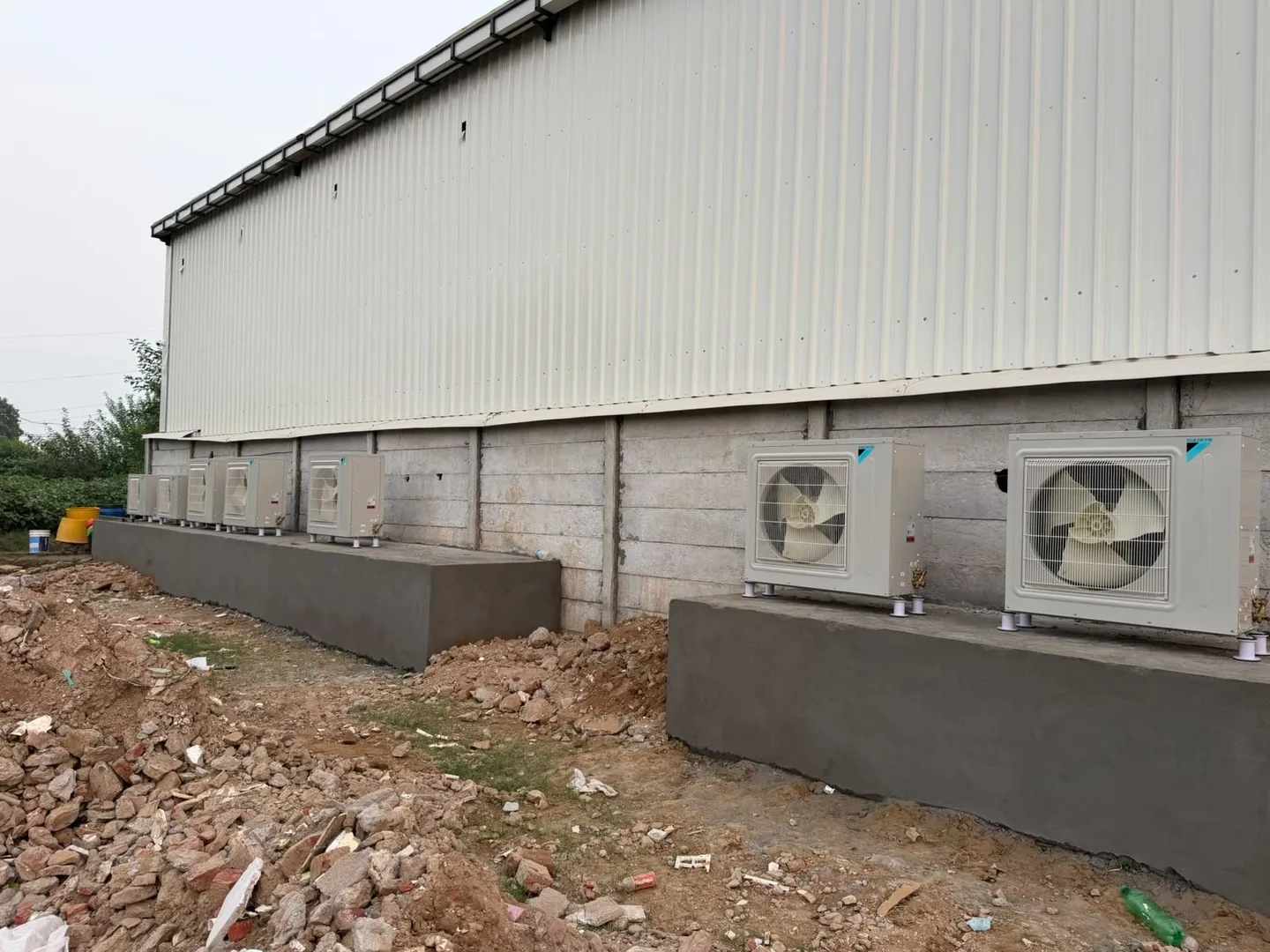
- Condensing unit
- Piping
- Electrical controls
- Lighting
- Installation
- Testing
- Commissioning
Site preparation responsibilities should also be established.
Commissioning Is an Important Stage
A completed installation should be tested before regular commercial operation begins.
Controls need to be checked, refrigeration operation observed, and relevant equipment settings verified.
Operators should also receive basic guidance on correct use, temperature monitoring, door management, and routine inspection.
Maintenance Planning Should Begin Early
Waiting for the first breakdown before discussing maintenance can create avoidable difficulties.
Ask the provider about recommended service intervals, cleaning requirements, common inspection points, and the process for obtaining technical assistance.
Staff can also be trained to recognize warning signs such as unusual frost, unexpected temperature movement, damaged door seals, and changes in equipment noise.
Look Beyond the Initial Installation
Cold storage is typically a long-term operational asset. Provider selection should therefore consider future service, component availability, system expansion, and technical support.
ICETECH ENGINEERS provides industrial refrigeration services for businesses in Delhi with project requirements ranging from commercial temperature-controlled rooms to larger industrial storage applications.
A capable Cold Room Solution Provider should connect technical design with practical operating needs. When assessment, engineering, installation, commissioning, and service considerations are coordinated from the beginning, businesses gain a refrigeration facility that is easier to operate, maintain, and adapt as storage requirements develop.
Keywords