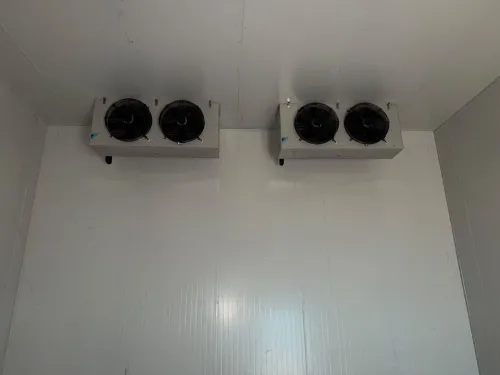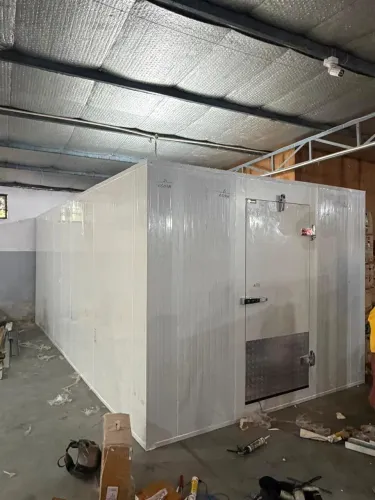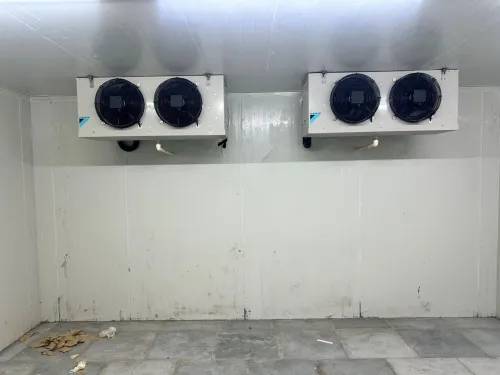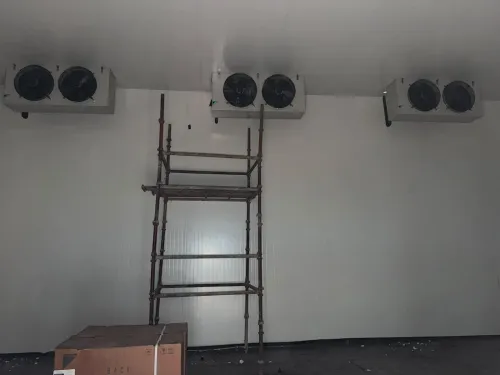
Milk, cheese, butter, cream, curd, desserts, and other dairy products depend on carefully managed storage throughout production and distribution. A Dairy Cold Room gives processors, distributors, commercial kitchens, retailers, and hospitality businesses a dedicated temperature-controlled environment for managing dairy inventory.
For Delhi businesses assessing cold storage investment, the most useful approach is to evaluate the facility in terms of daily workflow, product load, energy use, cleaning requirements, and future capacity.
Match Storage Capacity With Daily Throughput
Businesses sometimes select cold room size according to current stock alone. This can create capacity problems when production increases.
Planning should consider normal inventory together with realistic peak requirements.
Important inputs include:
- Daily production volume
- Incoming product temperature
- Storage duration
- Packaging dimensions
- Dispatch frequency
- Maximum stock level
- Rack requirements
- Future expansion expectations
A facility should provide usable storage capacity without restricting necessary airflow.
Understand the Refrigeration Load
Dairy facilities can experience changing refrigeration loads throughout the working day.
Large quantities of newly produced items entering the room may increase the cooling requirement. Frequent movement associated with dispatch can also introduce warm air.
Equipment selection should therefore reflect actual operating conditions rather than relying solely on nominal room volume.
Reduce Unnecessary Heat Entry
Insulation, doors, operating procedures, and room location all influence heat gain.
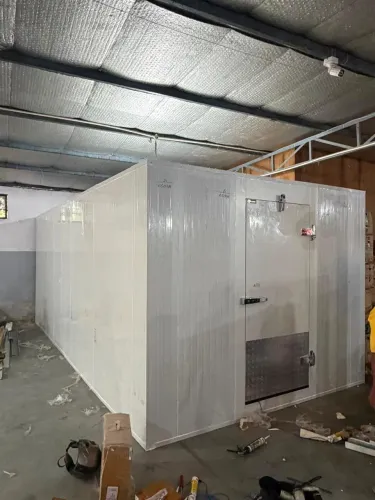
A well-sealed insulated enclosure helps the refrigeration equipment maintain required conditions with less unnecessary thermal load.
Employees can contribute by avoiding prolonged door opening and preparing goods for movement before opening the cold room.
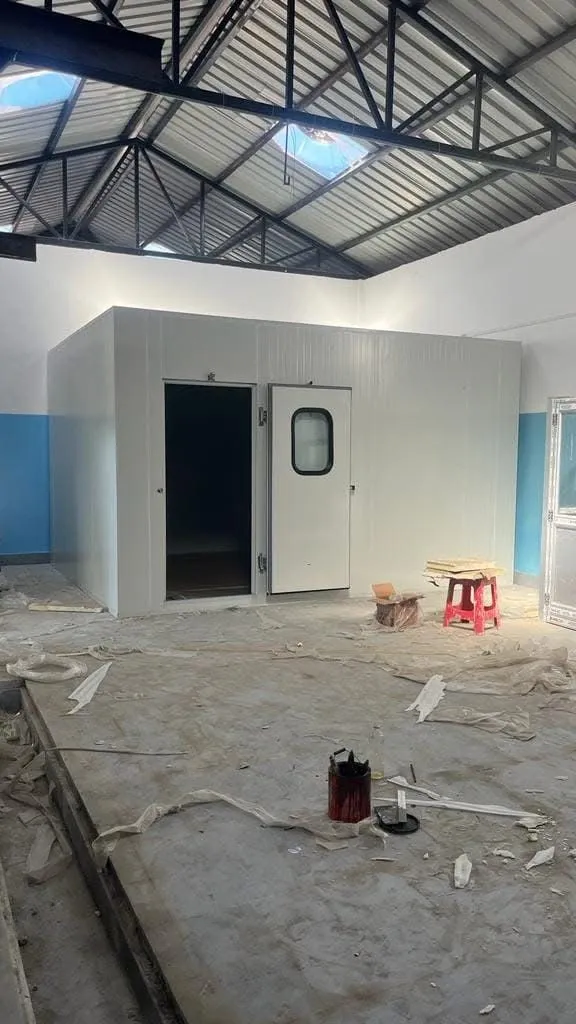
For high-traffic facilities, door design should reflect the type and frequency of product movement.
Choose a Practical Internal Layout
A cold room becomes difficult to operate when racks are installed without considering movement.
Dairy businesses should maintain clear pathways for staff and material-handling equipment. Products should be positioned so that air can circulate effectively.
Frequently dispatched items can be placed where they can be accessed efficiently without disturbing unrelated stock.
A clear layout also supports inventory rotation and routine cleaning.
Think About Hygiene From the Beginning
Dairy environments require regular sanitation. Internal surfaces and storage arrangements should therefore support practical cleaning procedures.
Flooring, panel joints, racks, drainage requirements, and equipment positioning should all be considered.
Keeping the room organized also makes it easier for staff to identify damaged packaging, spills, and areas requiring attention.
Examine Operating Cost Alongside Purchase Cost
The lowest initial quotation does not necessarily represent the lowest long-term cost.
Cold room expenditure can include electricity consumption, maintenance, replacement components, cleaning, downtime, and future modifications.
Businesses should therefore compare system design and equipment suitability rather than judging proposals purely by upfront price.
Maintenance Helps Protect Performance
Routine maintenance can identify issues before they develop into major cooling problems.
Operators should pay attention to:
- Door gasket condition
- Frost accumulation
- Condenser cleanliness
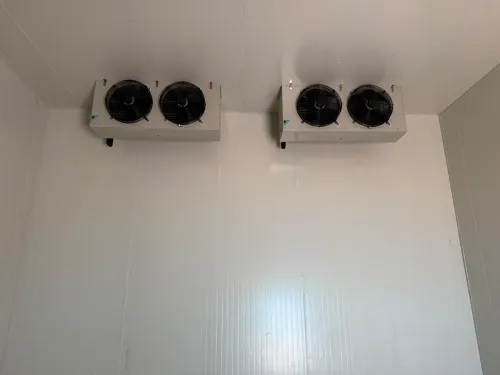
- Evaporator condition
- Temperature readings
- Electrical controls
- Unusual equipment noise
- Changes in operating cycles
Preventive inspection is especially important for facilities with continuous daily use.
Building a Suitable Dairy Facility in Delhi
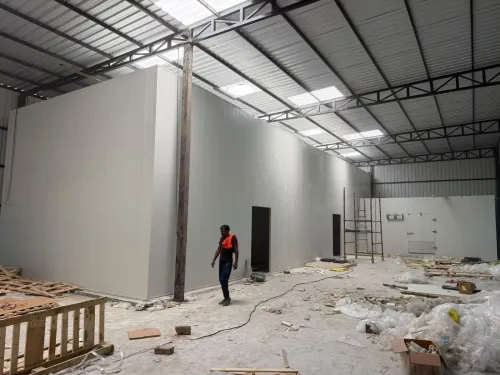
ICETECH ENGINEERS can develop refrigeration solutions based on storage temperature, product volume, room dimensions, equipment load, and operational requirements.
For a dairy business, the right Dairy Cold Room is one that integrates smoothly with production and dispatch rather than becoming an isolated storage area. Careful capacity planning, suitable insulation, calculated refrigeration, organized shelving, and routine maintenance can create a facility prepared for dependable commercial use.
Keywords