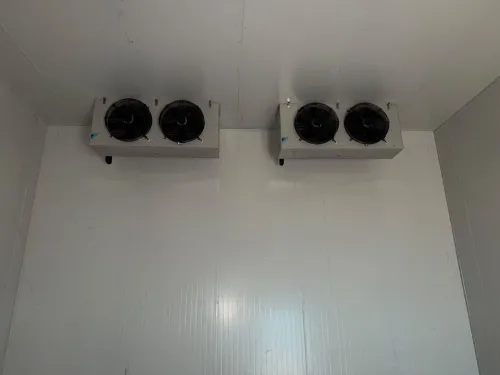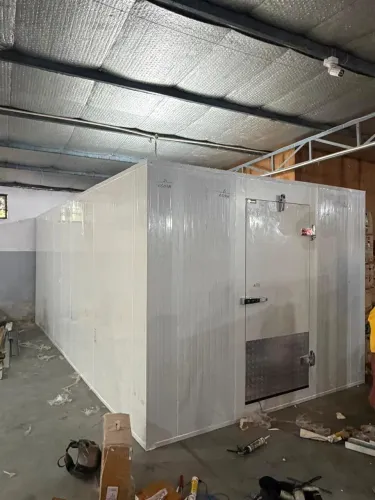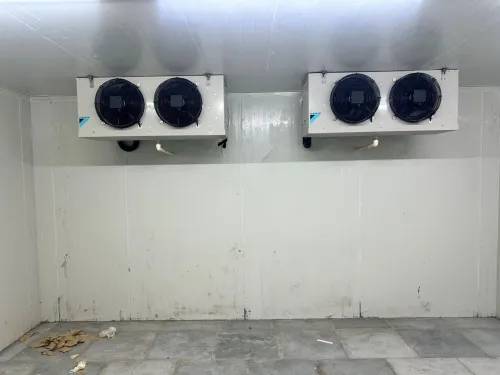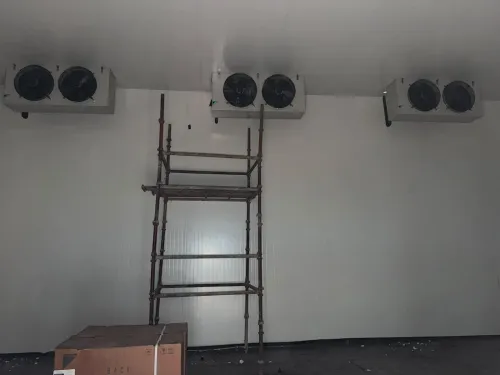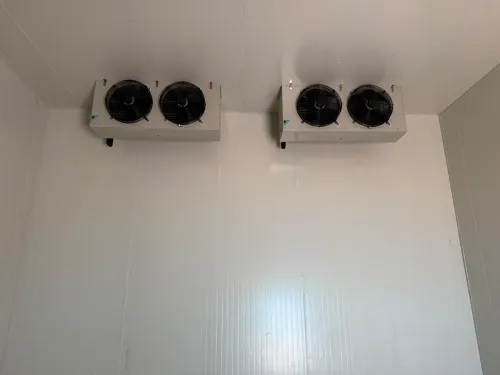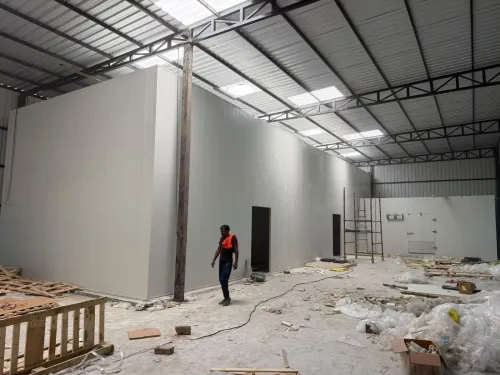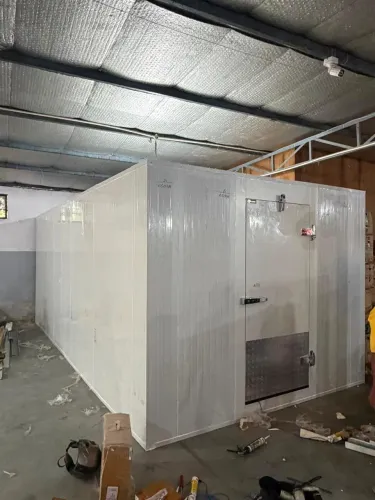
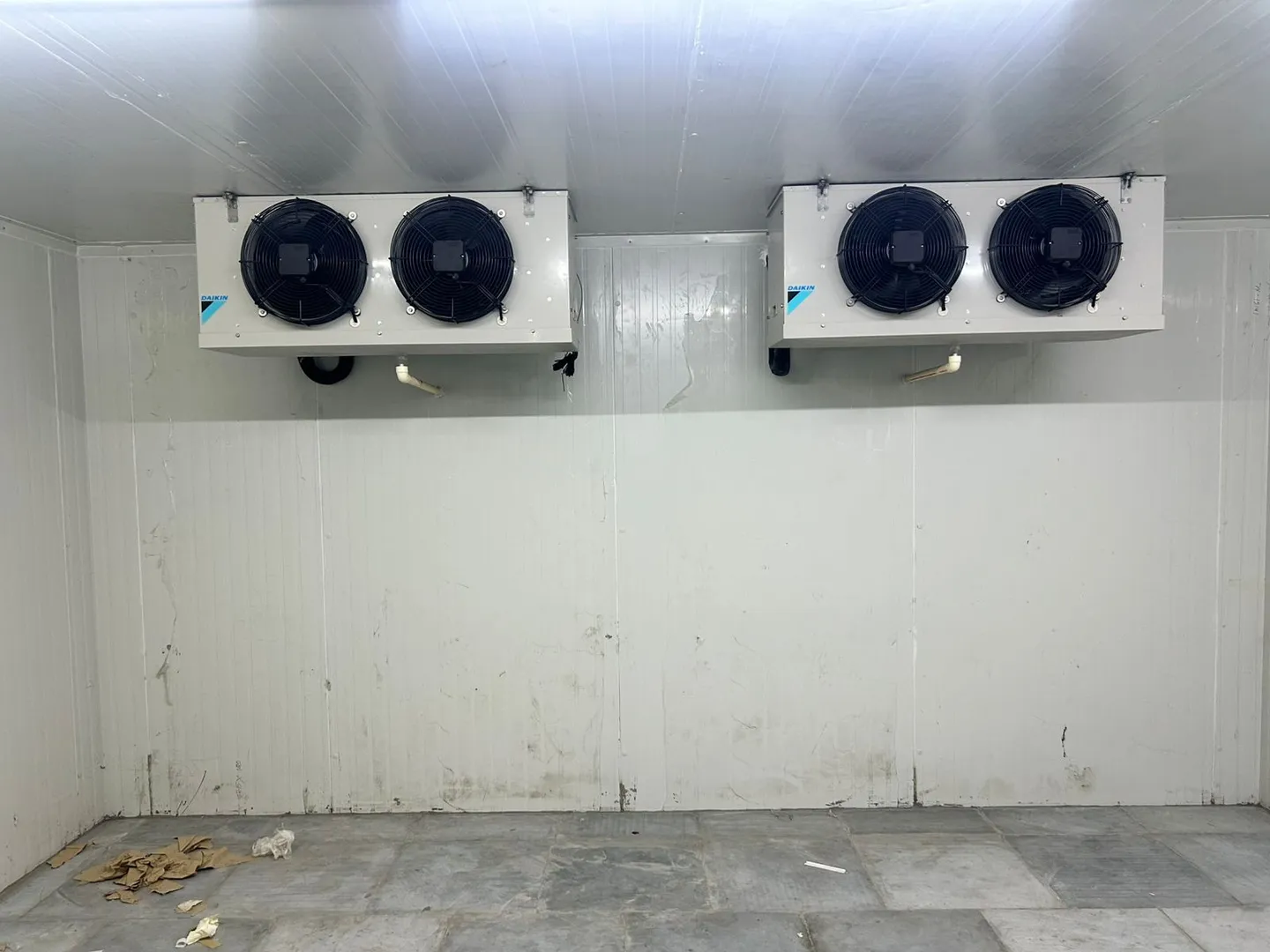
Frozen food businesses depend on stable low-temperature storage from the moment products enter the facility until they move into distribution. A properly designed Frozen Food Cold Room helps maintain the required storage environment for frozen vegetables, ready-to-cook foods, desserts, processed foods, bakery products, and other temperature-sensitive inventory.
For businesses in Delhi, where commercial food distribution operates at significant scale, cold room planning should consider product volume, daily loading activity, storage duration, and temperature requirements rather than simply available floor space.
Why Frozen Food Needs Controlled Storage
Frozen products can be affected when storage temperatures fluctuate repeatedly. Frequent door opening, inadequate insulation, improper loading, and insufficient refrigeration capacity can create temperature variations inside the room.
A suitable frozen storage facility is designed to maintain stable conditions throughout normal operating cycles.
Important design considerations include:
- Required storage temperature
- Product quantity and packaging type
- Daily incoming and outgoing stock
- Door-opening frequency
- Available installation area
- Rack arrangement
- Refrigeration load
- Insulation thickness
- Air circulation
Understanding these factors before installation helps prevent a cold room from becoming undersized as business activity increases.
Insulation Has a Major Role
Insulated panels help reduce unwanted heat transfer between the cold room and the surrounding environment. Panel specification should match the required operating temperature and application.
The joints, corners, ceiling, flooring, and door areas also require careful attention. Weak points in the insulated enclosure can increase heat gain and place additional demand on the refrigeration system.
For frozen storage applications, flooring may require specific insulation treatment depending on room temperature, dimensions, and installation conditions.
Refrigeration Capacity Should Match Actual Usage
Selecting refrigeration equipment based only on room dimensions can produce inaccurate results. The system also needs to account for the temperature of products entering the room, product quantity, operating hours, ambient conditions, lighting, personnel movement, and door usage.
A room receiving large quantities of products each day may have a different refrigeration requirement from a room of identical size used mainly for long-term storage.
This is why a technical heat-load assessment is an important part of project planning.
Storage Layout Influences Cooling Performance
A cold room should not simply be filled to its maximum physical capacity. Air needs sufficient space to circulate around stored products.
Businesses can improve storage performance by planning:
- Suitable aisle widths
- Organized rack positions
- Clearance around evaporator units
- Space between products and walls
- Clearly defined loading zones
- Easy stock rotation
A practical layout also makes inventory handling easier for employees and can reduce the time doors remain open during loading.
Door Management Matters
Every time a cold room door opens, warm air can enter the refrigerated space. High-traffic frozen food facilities should therefore consider door dimensions, opening frequency, product movement, and operational practices during planning.
Suitable door systems, strip curtains, air-management practices, and disciplined loading procedures can help limit unnecessary temperature disturbance.
Monitoring Supports Better Cold Storage Management
Temperature monitoring gives operators a clearer picture of actual cold room conditions. Depending on operational requirements, facilities may use digital displays, controllers, alarms, and data-recording systems.
Monitoring becomes particularly useful when businesses need to investigate temperature changes, improve operating procedures, and maintain internal quality-control records.
Planning for Delhi Operating Conditions
Delhi businesses should also consider seasonal ambient temperatures when planning refrigeration capacity. Equipment should be selected with realistic operating conditions in mind rather than assuming ideal surroundings throughout the year.
ICETECH ENGINEERS works with commercial and industrial businesses requiring temperature-controlled storage designed around product type, capacity, site conditions, and operating patterns.
A well-planned Frozen Food Cold Room combines refrigeration capacity, insulation, airflow, storage layout, access control, and monitoring into one coordinated system. When these elements are considered together, frozen food businesses can create storage facilities that support consistent product handling and dependable day-to-day operations.
Keywords