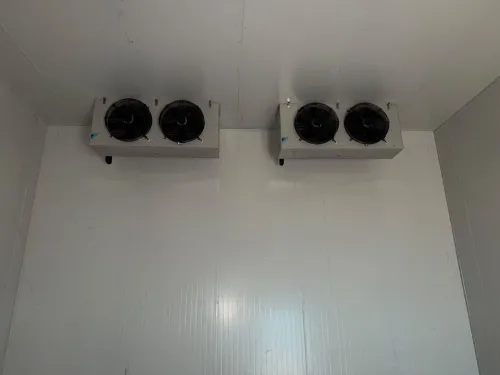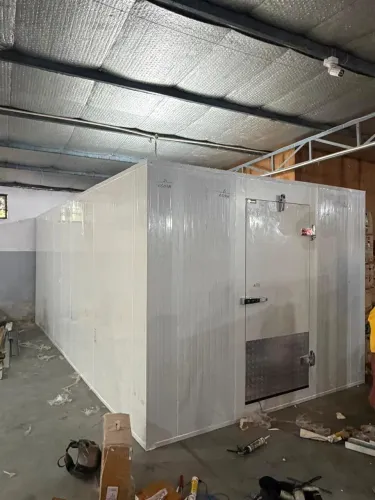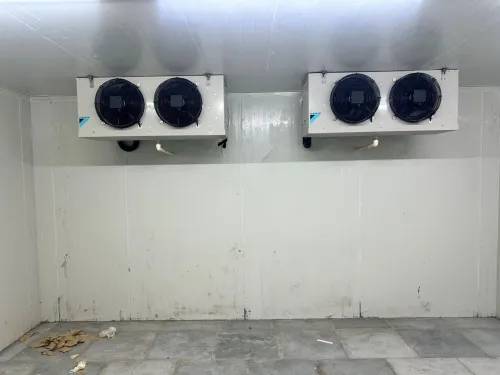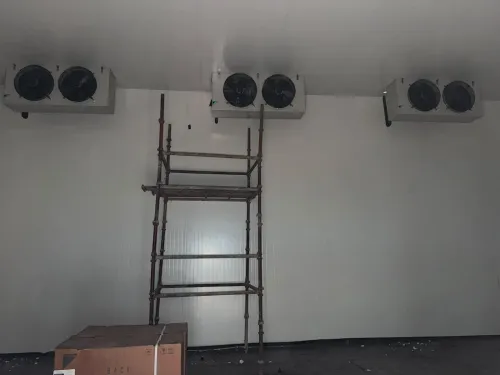
Seafood is highly temperature-sensitive, making controlled storage an important part of processing, distribution, hospitality, and commercial food operations. A properly designed Seafood Cold Storage facility helps businesses maintain the specified storage environment while supporting organized inventory handling and efficient product movement.
For businesses in Gurgaon, the planning process should begin with the seafood category, expected volume, incoming product condition, and required storage period.
Seafood Storage Begins With Product Classification
Not every seafood operation has identical requirements. Businesses may handle chilled fish, frozen seafood, processed seafood, packaged products, shellfish, and imported frozen inventory.
The refrigeration system needs to be planned according to the actual product.
Important questions include:
- What products will enter the facility?
- At what temperature will they arrive?
- What storage temperature is required?
- How much stock enters each day?
- How long will products remain stored?
- How frequently will doors open?
- What is the maximum expected inventory?
Answers to these questions influence room size, refrigeration load, insulation, and internal layout.
Stable Conditions Matter
A cold room needs to maintain its designed operating range despite normal disturbances created by loading, unloading, personnel movement, and ambient heat.
Frequent temperature variation may indicate operational problems, inadequate equipment capacity, damaged insulation, excessive door opening, restricted airflow, and maintenance issues.
A well-designed system accounts for realistic daily usage rather than assuming that doors remain closed continuously.
Insulated Construction Reduces Heat Gain
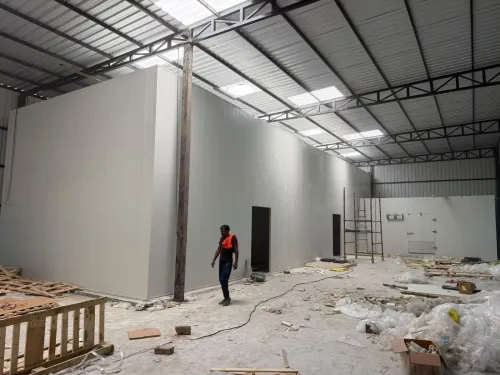
Insulation forms the thermal envelope around the refrigerated space. Suitable insulated panels help reduce heat entering through walls and ceilings.
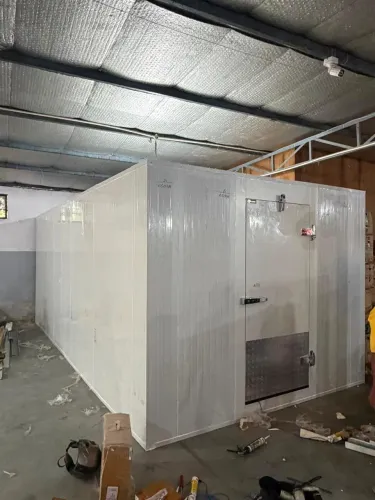
Doors are another important part of this envelope. Their dimensions, sealing arrangement, placement, and operating frequency can influence refrigeration performance.
Floor treatment should also be evaluated based on the required room temperature and project conditions.
Product Arrangement Influences Air Circulation
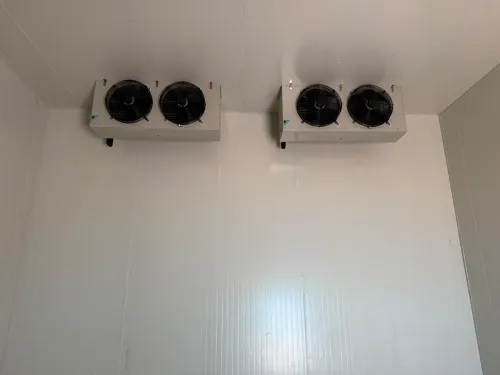
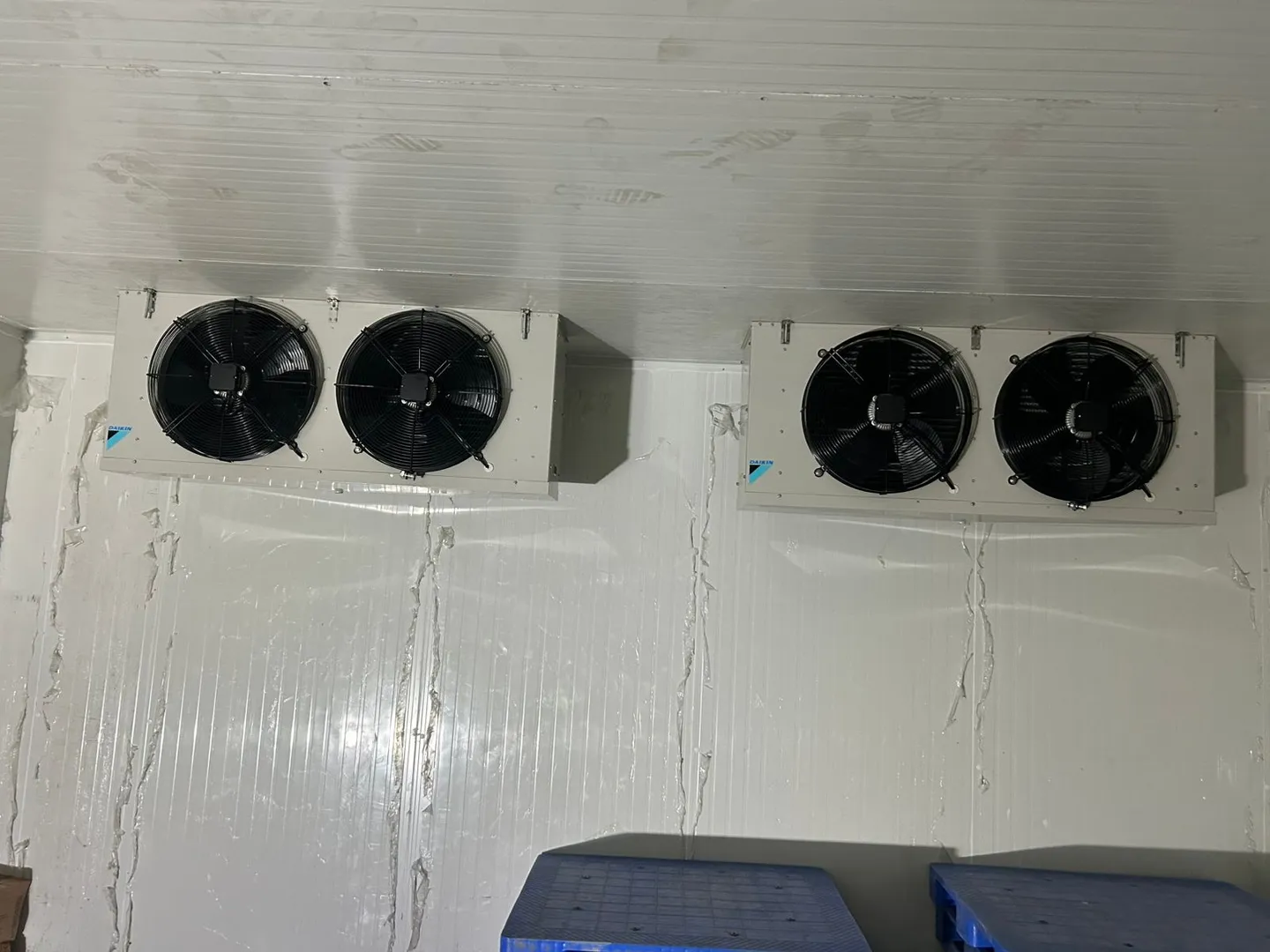
Cold air must move effectively throughout the storage area. Excessive stacking near evaporators can restrict airflow and create uneven conditions.
Storage planning should maintain suitable clearance around walls, evaporators, ceilings, racks, and stored goods.
A logical rack arrangement can provide several operational benefits:
- Faster stock identification
- Better inventory rotation
- Easier cleaning access
- Shorter loading times
- Improved movement through aisles
These seemingly simple operational improvements can contribute to more consistent cold room usage.
Condensation and Moisture Need Attention
Seafood facilities frequently operate in moisture-heavy environments. Warm humid air entering a cold space can contribute to condensation and frost formation.
Door management, insulation integrity, operating procedures, defrost arrangements, and equipment selection should therefore be evaluated as parts of the complete system.
Operators should also inspect door seals and panel joints periodically for signs of deterioration.
Monitoring Helps Identify Changes
A temperature display provides immediate operating information, while data logging can provide a longer-term view of conditions.
Facilities can consider alarm functions that alert staff when temperatures move outside predetermined operating limits.
Monitoring does not replace proper refrigeration design, but it provides valuable information for operational control and maintenance.
Design Around Gurgaon Business Requirements
Restaurants, hotels, food distributors, commercial kitchens, and seafood processors in Gurgaon may have significantly different storage volumes and handling patterns. Cold storage should reflect those differences.
ICETECH ENGINEERS develops refrigeration systems based on site conditions, temperature requirements, storage capacity, and operating needs rather than treating every facility as a standard installation.
Effective Seafood Cold Storage depends on coordinated refrigeration, insulation, airflow, monitoring, and disciplined product handling. When businesses plan each element according to their actual operations, the resulting facility is easier to manage and better prepared for changing daily storage demands.
Keywords