Businesses developing new food-processing facilities, warehouses, distribution centres, commercial kitchens, and temperature-controlled operations often need several contractors to complete one refrigeration project. A Turnkey Cold Room Project provides a more coordinated approach by bringing key stages of planning, engineering, installation, testing, and commissioning under a defined project scope.
For businesses in Noida, understanding what should be included before awarding the project can help establish clearer responsibilities and reduce coordination gaps.
A Turnkey Project Starts With Requirement Mapping
The first stage should focus on what the facility needs to store and how it will operate.
Important project inputs include:
- Product category
- Required temperature
- Maximum storage volume
- Daily incoming load
- Incoming product temperature
- Storage duration
- Door usage
- Material movement
- Operating schedule
- Available site area
Accurate requirement mapping helps reduce specification changes later.
Site Assessment Shapes the Design
The proposed installation area should be evaluated before final design.
The assessment can identify access limitations, structural considerations, electrical requirements, drainage needs, equipment locations, piping routes, and available ventilation.
Where a project forms part of a larger facility, coordination with civil, electrical, and utility work may also be required.
Engineering Converts Requirements Into Specifications
Once operational information is available, the project moves into technical planning.
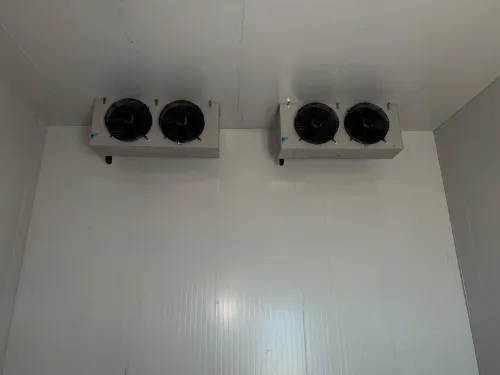
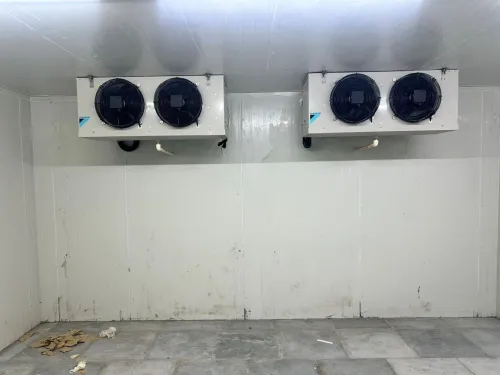
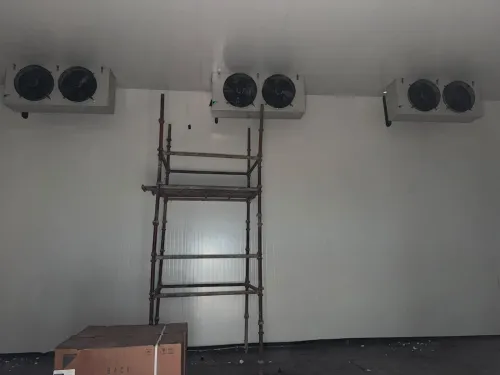
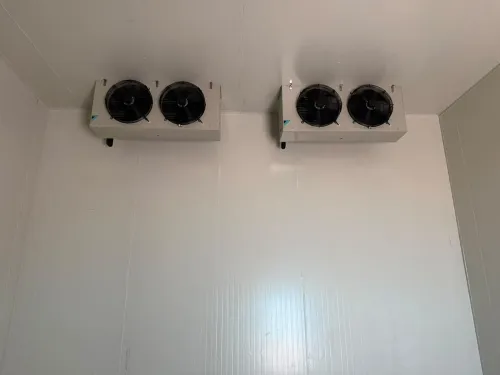
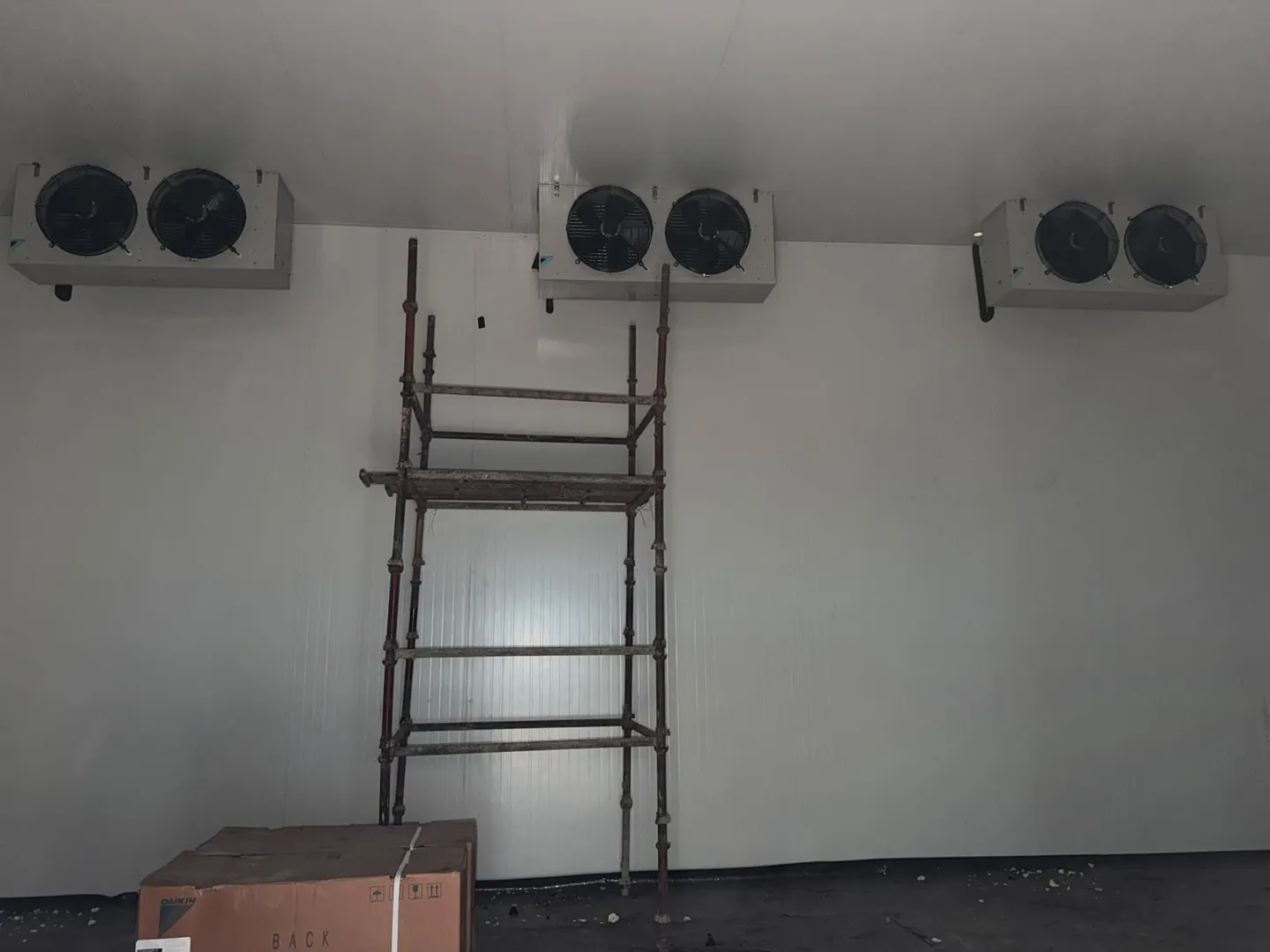
Refrigeration capacity should be calculated based on actual load conditions. Insulated panel specifications, room dimensions, doors, evaporator positioning, controls, and condensing equipment can then be selected.
A clear technical scope makes procurement and project execution easier to manage.
Installation Requires Coordination
Cold room installation typically involves multiple activities.
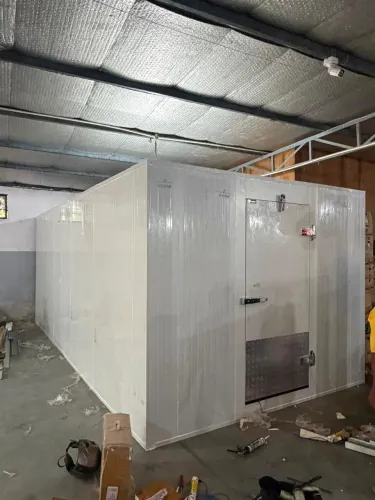
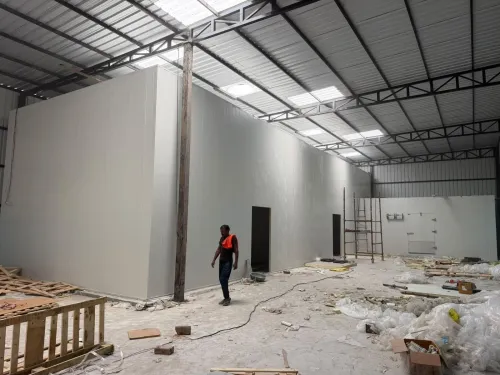
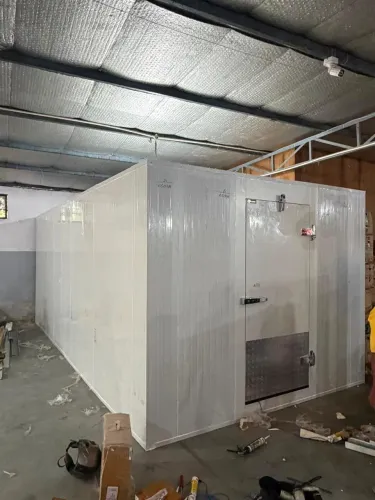
Panels need to be assembled accurately. Refrigeration piping and equipment must be installed correctly. Electrical controls need proper connections. Doors, lighting, and monitoring components must be integrated.
A coordinated project sequence can reduce interference between installation teams and other site activities.
Testing Should Happen Before Handover
Physical completion does not automatically mean the facility is ready for normal operations.
Testing and commissioning allow the project team to check refrigeration operation, controls, temperature response, and relevant system functions.
Any identified issues can then be addressed before routine loading begins.
Operator Guidance Adds Practical Value
Staff responsible for the facility should understand basic operating practices.
Useful guidance can cover door management, product loading, airflow clearance, temperature monitoring, cleaning, and signs that indicate a need for technical inspection.
Good operating practices help the installed system perform as intended.
Confirm Documentation and Support
Before project closure, businesses should confirm which technical and commercial documents will be provided.
They should also understand warranty conditions, service procedures, maintenance recommendations, and technical support arrangements.
These details become particularly important after the installation team leaves the site.
Turnkey Project Readiness in Noida
A business is generally ready to begin detailed project discussions once it knows the intended product, temperature requirement, approximate capacity, proposed installation area, and expected operating pattern.
ICETECH ENGINEERS can work with commercial and industrial customers to develop refrigeration facilities based on project-specific technical requirements and site conditions.
A successful Turnkey Cold Room Project is not defined simply by supplying equipment. It requires coordinated planning from the initial assessment through engineering, installation, testing, and commissioning. For Noida businesses preparing to invest in cold storage infrastructure, establishing a complete scope at the beginning can create clearer accountability and a smoother path from project concept to operational facility.
Keywords